
Exploring the Future of Digital Wallets
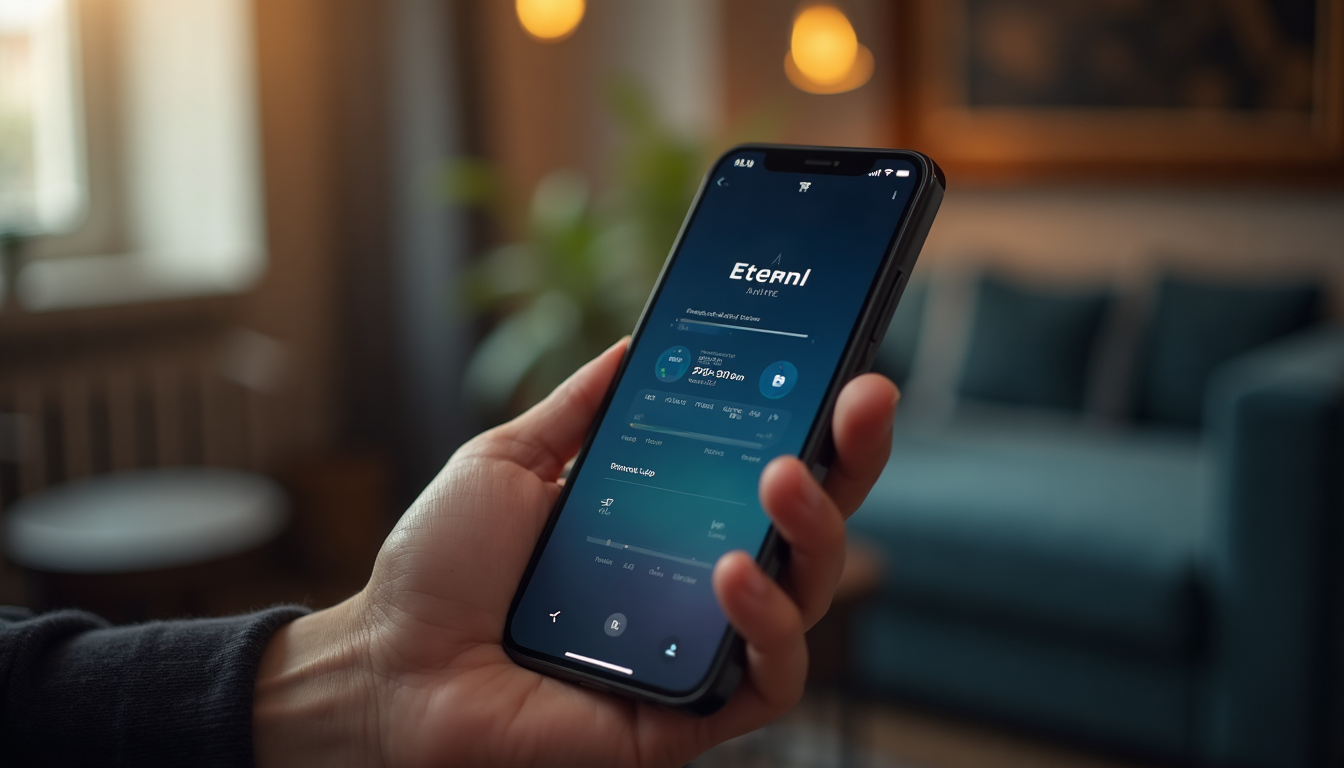
In recent years, digital wallets have transformed the way we handle money. With the rise of smartphones and the increasing reliance on technology, these digital solutions have become essential tools for managing finances. From making purchases to sending money to friends, digital wallets offer convenience and security that traditional methods simply cannot match. But what does the future hold for these digital payment systems? Let’s explore the trends, benefits, and potential challenges that lie ahead.

Understanding Digital Wallets
Digital wallets, also known as e-wallets, are applications that allow users to store payment information and make transactions electronically. They can be used for various purposes, including:
In-store purchases: Using QR codes or NFC technology to pay at physical locations.
Online shopping: Facilitating quick and secure payments on e-commerce platforms.
Peer-to-peer transactions: Sending money to friends or family instantly.
Types of Digital Wallets
There are several types of digital wallets available today, each catering to different needs:
Closed Wallets: These wallets can only be used within a specific platform or service. For example, a retailer's app that allows customers to store funds and make purchases only at that retailer.
Semi-Closed Wallets: These wallets allow transactions at multiple merchants but do not permit cash withdrawals. An example is a wallet that can be used for online shopping at various e-commerce sites.
Open Wallets: These wallets can be used for a wide range of transactions, including cash withdrawals and payments at various merchants. They are often linked to a bank account or credit card.
The Benefits of Digital Wallets
Digital wallets offer numerous advantages that make them appealing to users:
Convenience: Users can make payments quickly without the need for cash or physical cards. This is especially beneficial in today’s fast-paced world.
Security: Digital wallets often employ encryption and tokenization, making transactions safer than traditional methods. Users can also set up biometric authentication for added security.
Budgeting Tools: Many digital wallets come with features that help users track their spending and manage their finances more effectively.
Rewards and Discounts: Some digital wallets offer loyalty programs, cashback, or discounts for using their services, providing users with additional incentives.
The Role of Technology in Digital Wallets
As technology continues to evolve, so do digital wallets. Several key advancements are shaping the future of these payment systems:
Blockchain Technology
Blockchain technology is revolutionizing the way transactions are processed. By providing a decentralized and secure method of recording transactions, blockchain can enhance the security and transparency of digital wallets. This technology can also facilitate faster cross-border payments, reducing the time and cost associated with international transactions.
Artificial Intelligence
Artificial intelligence (AI) is being integrated into digital wallets to improve user experience. AI can analyze spending patterns, offer personalized recommendations, and enhance security measures by detecting fraudulent activities in real-time.
Biometric Authentication
Biometric authentication methods, such as fingerprint scanning and facial recognition, are becoming standard features in digital wallets. These methods provide an additional layer of security, ensuring that only authorized users can access their wallets.
The Future Trends in Digital Wallets
As we look ahead, several trends are likely to shape the future of digital wallets:
Increased Adoption of Cryptocurrencies
With the growing popularity of cryptocurrencies, many digital wallets are beginning to support these digital currencies. This shift allows users to hold, send, and receive cryptocurrencies alongside traditional currencies, making digital wallets more versatile.
Integration with IoT Devices
The Internet of Things (IoT) is expanding rapidly, and digital wallets are expected to integrate with various IoT devices. For instance, smart appliances could allow users to make purchases directly from their devices, streamlining the shopping experience.
Enhanced User Experience
As competition in the digital wallet space increases, companies will focus on enhancing user experience. This could involve simplifying interfaces, offering more customization options, and improving customer support.
Challenges Facing Digital Wallets
Despite their many benefits, digital wallets also face several challenges:
Security Concerns
While digital wallets are generally secure, they are not immune to cyber threats. Users must remain vigilant about protecting their information and be aware of potential scams.
Regulatory Issues
As digital wallets gain popularity, regulatory bodies are beginning to scrutinize them more closely. Compliance with regulations can be complex and may vary by region, posing challenges for wallet providers.
User Adoption
While many people are embracing digital wallets, there are still segments of the population that prefer traditional payment methods. Educating users about the benefits and security of digital wallets will be crucial for widespread adoption.
Conclusion
The future of digital wallets is bright, with technology driving innovation and enhancing user experience. As more people recognize the convenience and security these wallets offer, their adoption is likely to increase. However, addressing security concerns and regulatory challenges will be essential for the continued growth of this sector.
As we move forward, it’s clear that digital wallets will play a significant role in shaping the way we manage our finances. Whether you’re a tech enthusiast or someone simply looking for a more efficient way to handle payments, keeping an eye on the developments in digital wallets will be worthwhile. Embrace the change, and consider exploring the digital wallet options available to you today.
Comments